NOW TAKING FIRST-SAMPLE ORDERS — EVERY FIRST ORDER INCLUDES A FREE ELECTROLYTE CONSULTATION FOR YOUR CELL CHEMISTRY.
    01Prelithiated pure-silicon anodes

    Prelithiated pure silicon. Enables up to 99% full-cell first-cycle efficiency.

    We build the lithium a silicon anode loses on its first cycle straight into the anode — so the finished cell can reach up to 99% full-cell first-cycle efficiency, up from silicon's ~80% — starting near full capacity. The exact figure depends on your cell design. A prelithiated pure-silicon anode (100% silicon active material), delivered drop-in for LFP, LCO and NMC. Available as anode sheets, material rolls, coin cells and small pouch cells.

    100%
    SILICON ACTIVE MATERIAL
    Up to 99%
    FULL-CELL FIRST-CYCLE EFFICIENCY ENABLED
    100%
    NON-CHINESE PRODUCTION
    ~75%
    LOWER CO₂ FOR RECYCLED SILICON

    30 min · engineer to engineer

    Every first order includes a free electrolyte consultation for your cell chemistry — no obligation.

    For cell manufacturers, Li-ion capacitor makers and OEMs in robotics, spacetech and drones.
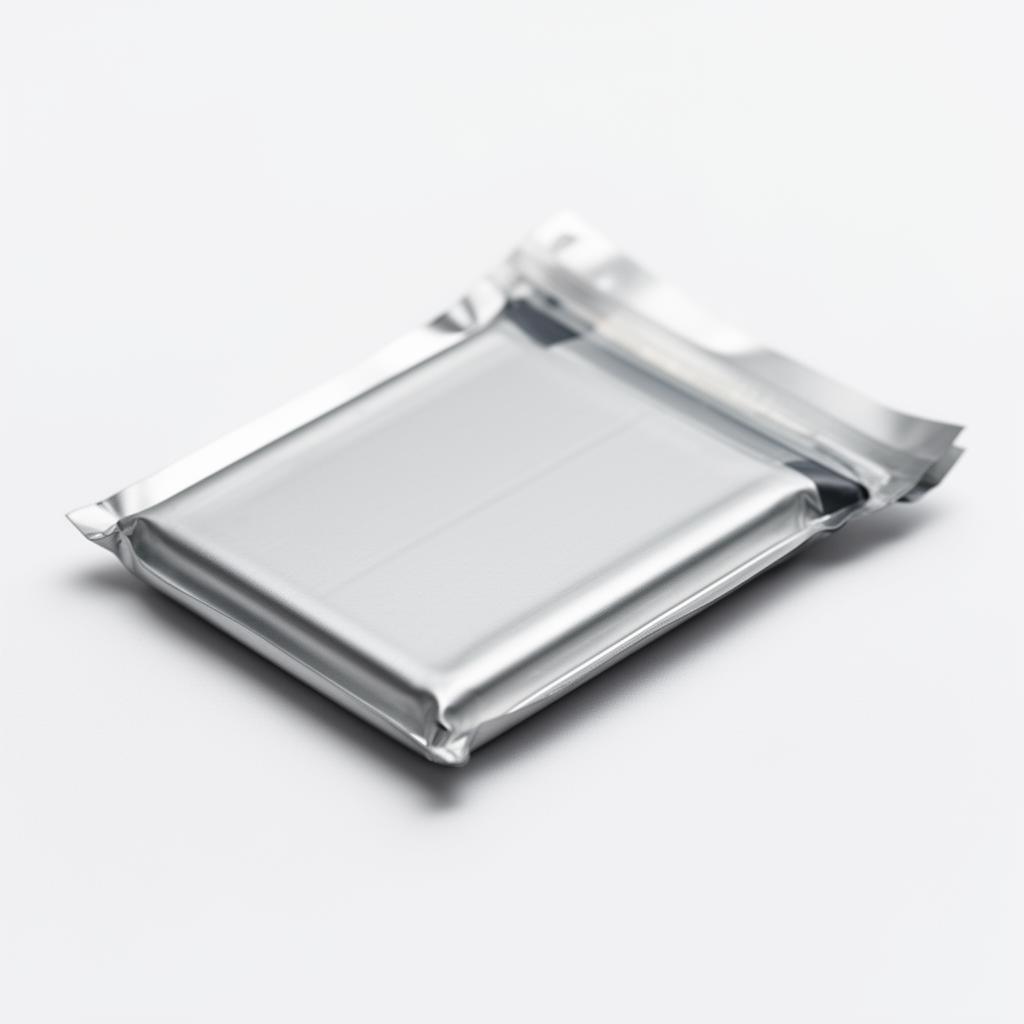
    Prelithiated pure-silicon anodeSamples available
    Lithium-ion pouch cell with a prelithiated pure-silicon anode
    100%Pure silicon active material
    Up to 99%Full-cell first-cycle efficiency enabled
    5%Extra lithium buffer
    LCO
    compatible
    LFP
    compatible
    NMC
    compatible
    02The problem

    Silicon's problem isn't capacity. It's the first cycle.

    Silicon holds roughly 10× the capacity of graphite — but it loses about 20% of its lithium on the very first charge, forming the SEI. In LFP, LCO and NMC cells, conventional silicon typically drops below 80% State of Health within about 500 cycles. That's why most suppliers dilute silicon into graphite, and why even pure-silicon anodes ship without that lithium replaced. We prelithiate: the lost lithium is built into the anode, so the cell can start near full capacity.

    ~10×
    silicon anode capacity vs. graphite
    Up to 99%
    full-cell first-cycle efficiency enabled
    ~75%
    lower CO₂ for recycled silicon
    03The product

    The numbers that make our pure silicon anodes different.

    100% active material

    Pure silicon, not a blend. The full capacity of silicon, not a diluted fraction of it.

    Enables full-cell first-cycle efficiency up to 99%

    By replacing the lithium a silicon anode loses on its first cycle, HypSi anodes enable a full-cell first-cycle efficiency of up to 99%. The remaining loss is cathode- and electrolyte-limited and depends on your cell design.

    Up to 5% over-lithiation

    Up to 5% extra lithium provides a controlled buffer and supports stable performance from cycle one.

    ~75% LOWER CO₂ FOR RECYCLED SILICON

    HypSi also works with recycled silicon. Compared with average metallurgical silicon, the recycled silicon has about 75% lower CO₂ emissions (2.17 t vs 10.6 t CO₂e per tonne of silicon) and is available at lower cost. This comparison applies to the silicon material only, not the complete anode.

    UP TO 25% LOWER CELL COST

    Per our cost model, cells with HypSi anodes can reach up to 25% lower cost than LFP/graphite cells — driven by higher energy density and the option to use recycled silicon.

    Faster cell conditioning

    HypSi doesn't just add lithium — it pre-forms the anode's SEI during prelithiation. Cells arrive with a stable SEI already in place, so the multi-day forming & aging step after assembly is cut by an estimated more than half — lower conditioning cost, higher line throughput and less capital tied up in production.

    Available formats

    Anode sheets, material rolls, coin cells and small pouch cells. Compatible with LCO, LFP and NMC.

    04Proof

    Measured on pure silicon.

    Data, not adjectives. Every figure below is measured.

    >500 cycles
    demonstrated, stable capacity
    LFP / pure silicon · A/C = 4 · >1000 under test · >1500 target
    ~2% @ 500 cycles
    degradation
    Achieved across LFP, LCO and NMC cells · ≈98% State of Health at 500 cycles — well above the 80% end-of-life line.
    1.7×
    proven flight time increase, same cell weight
    Drone prototype · LCO / pure silicon
    TRL 5–6
    today
    Next milestone TRL 6, then pilot line
    Roll-to-roll processing equipment producing anode material in the laboratory
    Roll-to-roll laboratory process
    Cycle stability — capacity retentionX: cycles · Y: discharge capacity (mAh/g)
    SILICON ANODE18015012090603000250500CYCLESFULL-CELL DISCHARGE CAPACITY (mAh/g)HypSi ANODE18015012090603000250500CYCLESFULL-CELL DISCHARGE CAPACITY (mAh/g)

    Full-cell normalized · LFP / pure silicon · A/C = 4.

    05Order samples

    Order your first prelithiated pure-silicon samples.

    Prelithiated pure-silicon anode sheets, material rolls, coin cells and small pouch cells — for cell manufacturers, Li-ion capacitor makers and OEMs in robotics, spacetech and drones. Qualified to your cell, your duty cycle and your line.

    Samples are step one. From a successful evaluation we scale to volume supply — or build a joint mass-production project with you.

    Free with every order

    A free electrolyte consultation matched to your exact cell chemistry (LFP, LCO or NMC) — so your cells perform from the first build. No obligation.

    Request first samples

    Direct engineering consultation

    For custom pouch dimensions, prelithiation degree matching or electrolyte compatibility, schedule a direct technical session with our engineering team.

    Schedule technical review
    06Scale

    From first samples to volume supply.

    Volume supply

    Once your cells qualify, we scale delivery to production volumes through material supply and licensing.

    Joint mass-production project

    Prefer to industrialize together? We co-develop a dedicated line or shared program to bring pure-silicon anodes to series production.

    07Supply options

    Start with samples. Scale with confidence.

    01 · Samples

    Evaluate prelithiated pure-silicon anodes, coin cells or small pouch cells with your chemistry.

    02 · Volume supply

    Move from a successful evaluation to production volumes, including ready-to-use material rolls.

    08Why we win

    Japanese science. European industrialization. Global scale.

    Foundational IP

    Foundational technology exclusively licensed. Patents granted in JP, US and CN; EP pending; plus PCT applications.

    Built for Europe

    Japanese science, European industrialization, global scale — no China dependency in the anode supply chain.

    Capital-efficient

    Integration into and/or extension of your existing battery cell production lines.

    ~75% LOWER CO₂ FOR RECYCLED SILICON

    HypSi also works with recycled silicon. Compared with average metallurgical silicon, the recycled silicon has about 75% lower CO₂ emissions (2.17 t vs 10.6 t CO₂e per tonne of silicon) and is available at lower cost. This comparison applies to the silicon material only, not the complete anode.

    09Team

    Japanese materials science. European industrialization.

    Japanese materials science meets European industrialization. Together we build and ship prelithiated pure-silicon anodes — through a non-Chinese supply chain.

    For more about the team, the science and the production technology behind our anodes, visit pre-lithiation.com.

    70.energy team with Japanese laboratory partners
    Markus Schiemann
    Founder

    Markus Schiemann

    Founder — commercialization & European industrialization.

    Klara Vandenbosch
    Co-Founder, People & Organization

    Klara Vandenbosch

    Building the team and organization behind HypSi™.

    Dr. Masaharu Satoh
    Battery Tech Advisor

    Dr. Masaharu Satoh

    Battery-chemistry authority with hundreds of publications and articles.

    Nobu Tanaka
    Marketing & Sales Asia Advisor

    Nobu Tanaka

    Go-to-market across Asia.

    —FAQ

    Pure silicon, answered.

    The questions we hear most. See the full FAQ for the complete list.

    What does 100% active material mean?
    The active material is 100% silicon — there is no graphite in the blend. As in any lithium-ion electrode, the coated film also contains a small amount of conductive additive and binder (the electrode is about 80–85% silicon by weight). '100%' means the active material is entirely silicon, not a silicon-graphite mix — so the cell gets the full capacity of silicon instead of a diluted fraction of it.
    How high a first-cycle efficiency do the anodes enable?
    70.energy's prelithiated pure-silicon anodes enable a full-cell first-cycle efficiency of up to 99%. By replacing the lithium a silicon anode loses on its first cycle, they bring the cell close to full capacity; the small remaining loss is cathode- and electrolyte-limited and depends on your cell design.
    Why up to 5% over-lithiation?
    The anode contains up to 5% extra lithium. This controlled buffer compensates the silicon anode's initial lithium loss and supports stable performance from cycle one.
    How does 70.energy's prelithiation compare to other methods?
    Chemical prelithiation adds lithium-rich additives to the electrolyte — effective, but it modifies the electrolyte chemistry and must be tuned per cell design. Electrochemical prelithiation pre-charges the anode in a separate step, adding equipment and process complexity. 70.energy integrates prelithiation into the anode production process: the anode arrives prelithiated, the cell maker assembles normally, no electrolyte modification, no extra assembly step. Compatible with LFP, LCO and NMC.
    How do I order samples and what do I get?
    Request first samples at 70.energy/samples. Available formats are anode sheets, material rolls, coin cells and small pouch cells. Every first order includes a free electrolyte consultation matched to your LFP, LCO or NMC chemistry. We reply within 2 business days.
    What volumes can you supply?
    Samples are step one. From a successful evaluation we scale to volume supply at production scale — or set up a joint mass-production project in which we industrialize a dedicated line or shared program with you.
    Where can I learn about prelithiation equipment?
    Technical information about prelithiation, production integration and the corresponding equipment is available at www.pre-lithiation.com. 70.energy focuses on supplying ready-to-evaluate anodes, cells and material rolls.
    Which chemistries are compatible?
    The anodes are compatible with LCO, LFP and NMC cathodes. Cycle stability has been measured across all three: 500 cycles with roughly 2% degradation on LFP, LCO and NMC cells.
    Does HypSi shorten cell forming and aging?
    Yes. HypSi doesn't only add lithium to the anode — it pre-forms the SEI during prelithiation. Because the anode arrives with a stable SEI already in place, the forming & aging step after cell assembly is shortened by an estimated more than half. That lowers conditioning cost, raises line throughput and reduces the capital tied up in production.
    What does 70.energy do?
    70.energy supplies prelithiated pure-silicon anodes: 100% silicon active material, enabling full-cell first-cycle efficiency up to 99% and up to 5% over-lithiation buffer. Anode sheets, material rolls, coin cells and small pouch cells can be ordered as samples today, with a route to volume supply or a joint mass-production project.
    —Order samples

    100% silicon active material. Enables full-cell first-cycle efficiency up to 99%. Put it in your cell.