Costs more than the density gain returns — not yet economic.
More range. More runtime. Same cell line.
Up to +40–45% volumetric energy density on pure-silicon cells — prelithiated inline in 70 seconds, qualified on your cell, your duty cycle, your line.
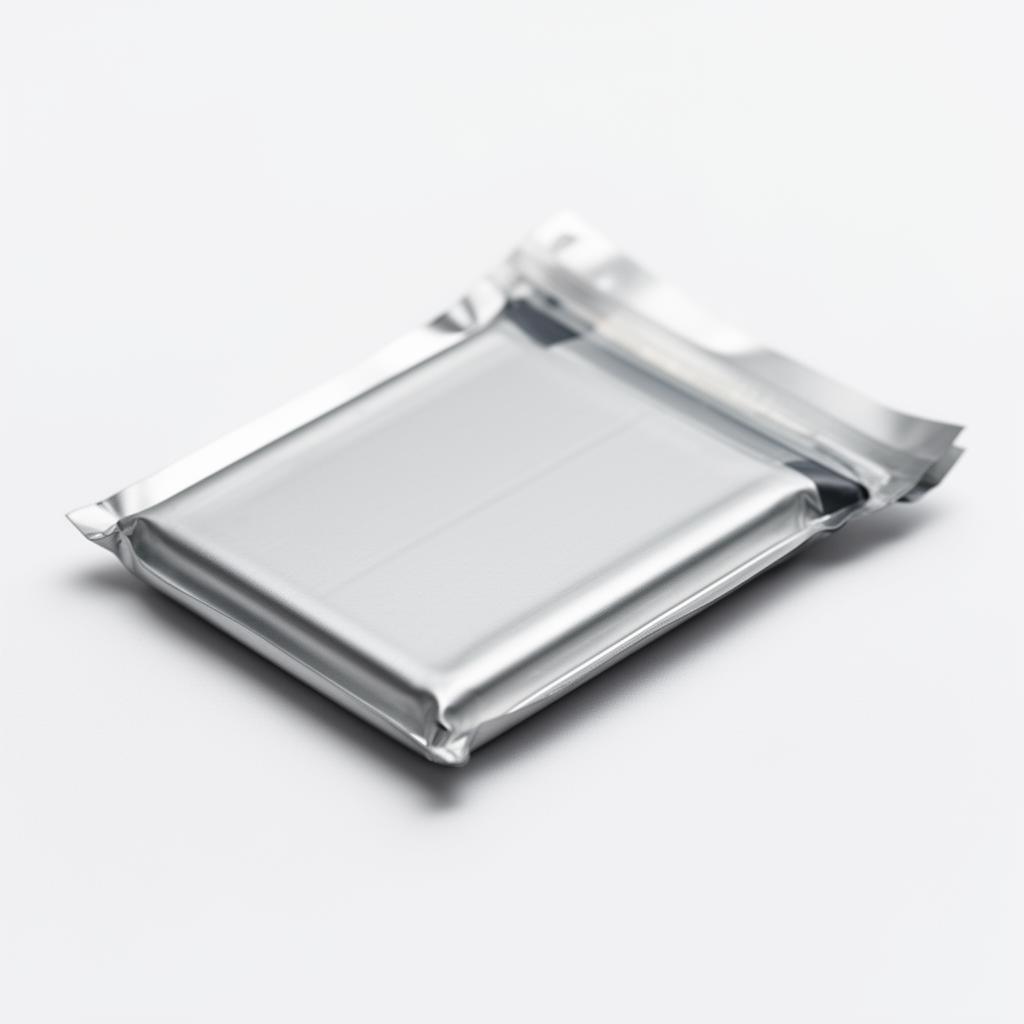
Graphite is maxed out. Silicon fails at scale.
Silicon holds roughly 10× the anode capacity of graphite — but volume expansion, cracking and yield loss break it in production. Up to ~25% of lithium is lost in the first cycle. That capacity is gone forever.
China controls 80%+ of global anode and graphite production. Europe needs an alternative — not another dependency.
Prelithiation makes standard silicon work.
HypSi™ compensates first-cycle lithium loss and stabilizes the electrode from cycle one. It is the enabling step for standard-silicon anodes.
- Electrochemical, under pressure
Places the silicon anode in contact with lithium and drives lithiation fast under controlled pressure.
- Industrial speed
70 seconds for a 15% prelithiation dose on a pure silicon anode.
- Inline or offline
Non-hazardous and integrates into existing production lines — no new line.
- Chemistry-agnostic
Works with LCO, LFP and NMC.
- 1Step 01Slurry mixing
- 2Step 02Coating
- 3Step 03Drying
- 4Step 04Calendering
- 5Step 05HypSi processInline or standalone · 70 sec
- 6Step 06Slitting
- 7Step 07Cell assembly
Standard silicon anode in → HypSi™ process → battery-ready HypSi™ anode, stable from cycle one.
One process. A ladder of energy density.
The same prelithiation step lifts every anode — but the gain, and the economics, climb with silicon content. Pure silicon is the destination.
At least break-even on cost today.
Invest €12, save €15 per kWh — profitable.
Prelithiation profitability depends on anode and cathode — here is the overview.
Profitability of prelithiation — qualitative assessment. Volumetric energy density, cell level.
Proven, not promised.
Data, not adjectives. Every figure below is measured.
We start where volumetric energy density is mission-critical.
- Cell manufacturers
Graphite / silicon blends — add prelithiation, no new line.
- Silicon-anode material producers
Increase the value of the product you already sell.
- Li-ion capacitor producers
Prelithiation is mandatory — a large, untapped market.
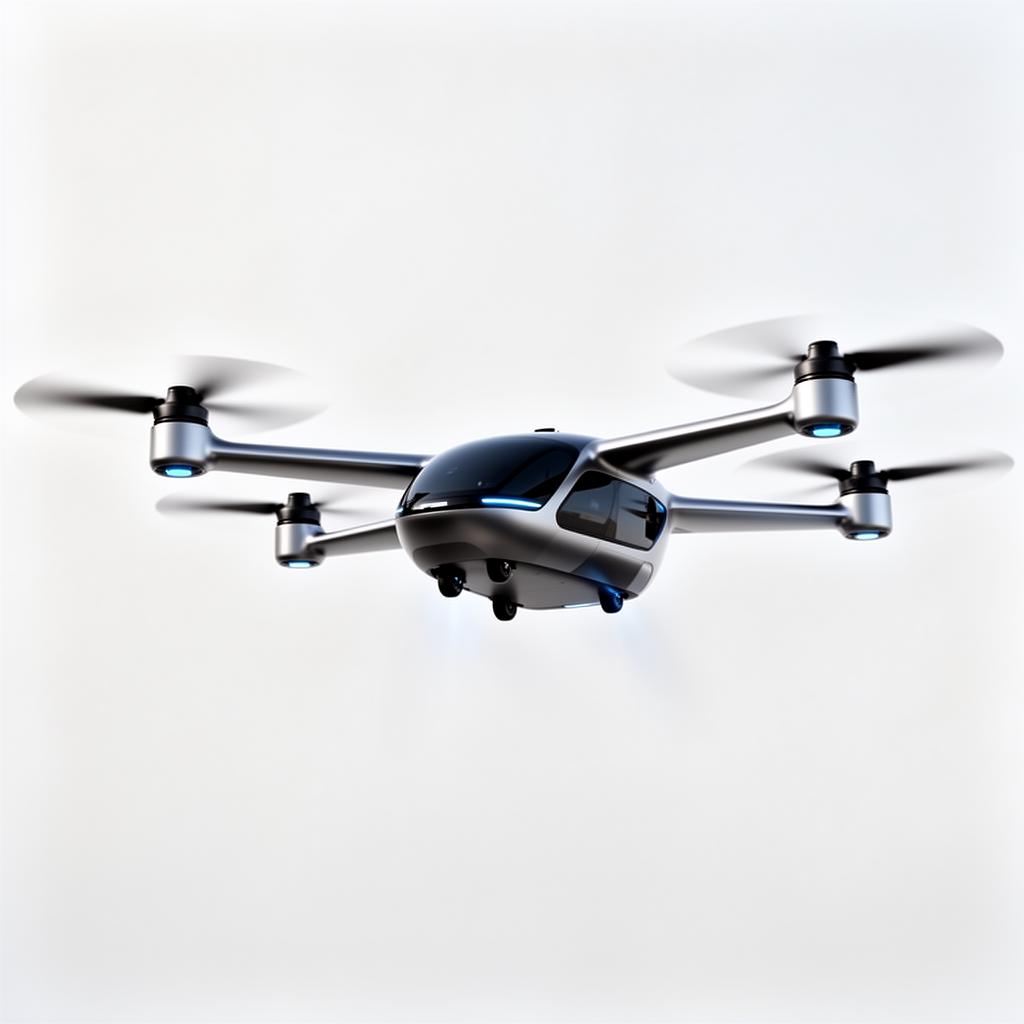
Range that closes the route

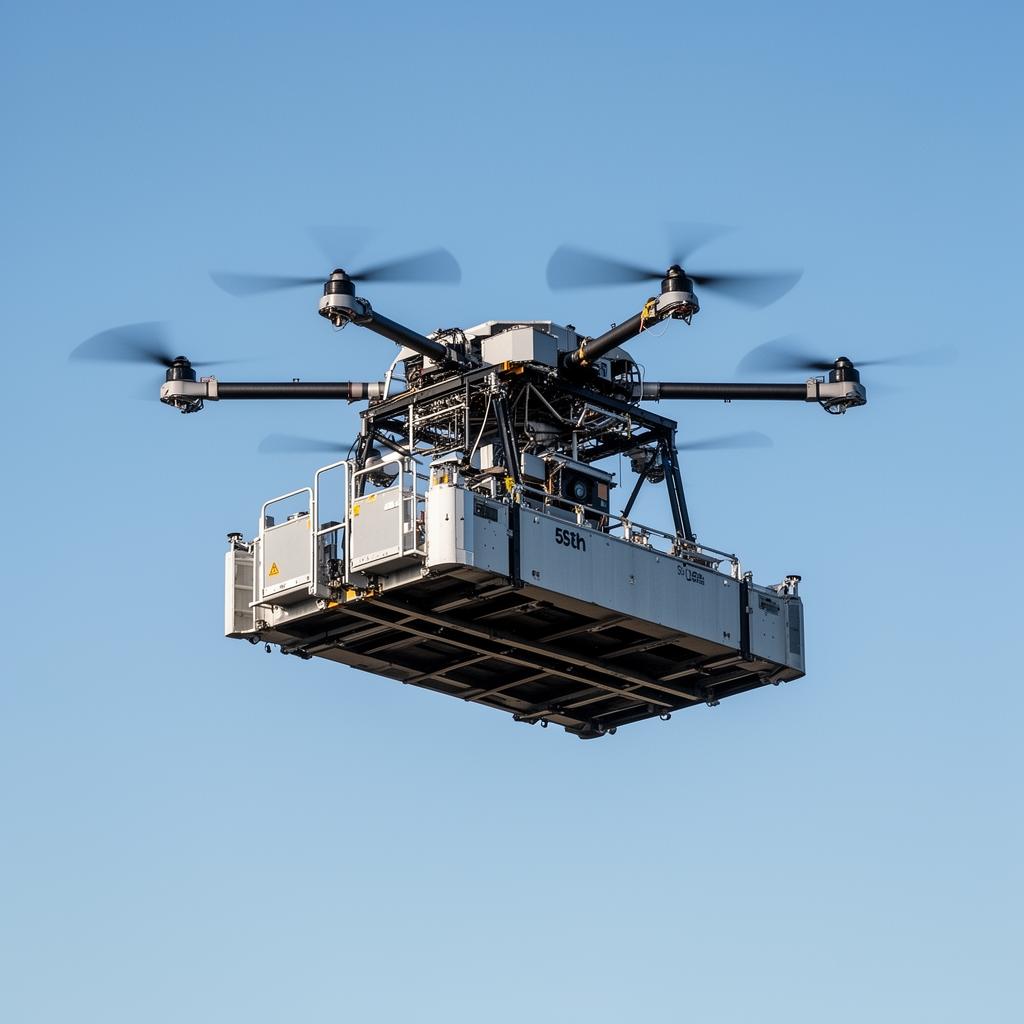
1 g = 1 min flight time

A full shift between charges

EV & motorsport edge
We go where the cells are made.
Our prelithiation step plugs into the battery supply chain two ways — installed on-site at the cell assembly line, or delivered to it as ready material. The process travels to the customer.
At the assembly line
We install our prelithiation line inline with the cell maker's existing assembly line. Standard silicon anode in, HypSi™ out — no shipped intermediates, no new logistics.
Delivered to the line
Or we prelithiate centrally and ship ready material to cell makers — they run their existing lines unchanged. One source reaches many producers, fast.
Either model earns a recurring per-kWh licence — revenue wherever cells are made, without owning a lithium supply chain.
Japanese science. European industrialization. Global scale.
Foundational technology exclusively licensed. Patents granted in JP, US and CN; EP pending; plus PCT applications.
Japanese science, European industrialization, global scale — no China dependency, aligned with EU funding priorities.
Asset-light: we source standard silicon anodes and prelithiate them — no full-factory capex.
A Japanese inventor's breakthrough. A European commercial team.
75+ years combined experience. One mission: make it scale.
- →Dr. Satoh MasaharuCTOInventor · PhD Electrochemistry
- →Nobu TanakaCMOInternational marketeer
- →Markus SchiemannCEOBusiness developer
- →Klara VandenboschAdvisoryLeadership & organizational scale-up
Prelithiation, answered.
The questions we hear most from cell makers, OEMs and investors. See the full FAQ for the complete list.
- What is electrochemical prelithiation?
- Electrochemical prelithiation pre-loads lithium into a silicon anode before the battery is assembled, using controlled contact with a lithium source under pressure. 70.energy's HypSi™ process does this inline in about 70 seconds for a 15% dose, compensating the lithium a silicon anode would otherwise lose on its first cycle.
- How do you fix first-cycle lithium loss in silicon anodes?
- Silicon anodes lose up to ~25% of their lithium on the first charge while forming the solid-electrolyte interphase (SEI). HypSi™ prelithiation replaces that lithium up front, raising first-cycle efficiency from about 80% to 95% and keeping the cell stable from cycle one, so the battery ships at full capacity.
- Does HypSi™ require a new production line?
- No. HypSi™ is a drop-in prelithiation step that integrates into an existing cell-assembly line — no line redesign. 70.energy can install it on-site inline with the cell maker's line, or prelithiate centrally and deliver ready material that cell makers run on their existing lines unchanged.
- Which cathode chemistries is HypSi™ compatible with?
- HypSi™ is chemistry-agnostic and works with LCO, LFP and NMC cathodes. It supports graphite, silicon-graphite composite and pure-silicon anodes with the same process step.
- How much energy density does prelithiation add?
- On pure-silicon cells, HypSi™ delivers up to +40–45% volumetric energy density at cell level versus a graphite cell today — or roughly −10% weight for the same energy. On graphite or composite anodes the gain is about +15%.
- Is silicon-anode prelithiation economic versus graphite?
- On pure silicon, yes: the economics are profitable — roughly invest €12 to save €15 per kWh. On composite anodes prelithiation is at least break-even today; on plain graphite it currently costs more than the density gain returns. Profitability climbs with silicon content and depends on the anode/cathode pairing.
- What does 70.energy do?
- 70.energy is an integration partner for silicon-anode performance. Its HypSi™ electrochemical prelithiation process makes standard silicon anodes work at industrial scale, delivering +20% energy or −10% weight, qualified inline in 70 seconds on an existing cell line — with no China dependency in the anode supply chain.